
No electric water heater on the market beats a heat pump model for efficiency. Instead of relying on heating elements alone, it uses a compressor, refrigerant, and a fan to harvest heat from surrounding air and move it into the tank. Moving heat costs far less energy than creating it, so these hybrids routinely earn Uniform Energy Factor ratings of about 3 to 4, while a conventional electric tank sits just under 1. Here in Mansfield, TX, that gap has pushed plenty of homeowners to replace a worn electric tank with a hybrid instead of another standard model.
There is a catch: a hybrid needs air to work with. Most manufacturers call for roughly 700 cubic feet of surrounding space, about the volume of a 10 by 10 room with a typical ceiling, or ducted intake and exhaust where the room is smaller. Because it pulls heat out of the air, it leaves that space a few degrees cooler and noticeably drier, which is welcome in a warm garage or damp basement and less welcome in a closet next to a bedroom. It also produces condensate that needs a reliable path to a floor drain or a condensate pump, and the compressor and fan hum at roughly the level of a quiet window air conditioner. Most models need a dedicated 240-volt circuit, though some newer 120-volt units can plug into an ordinary outlet. None of that is complicated, but every item decides whether the unit delivers.
Once the unit is in place, mode selection and sizing decide the monthly bill. Heat pump only mode delivers the lowest running cost; hybrid mode lets the elements help during heavy draws; high-demand mode leans on the elements for guests or big laundry days. Since the compressor heats more slowly than resistance elements, we often size a hybrid slightly larger than the tank it replaces so the backup elements rarely switch on. Installation includes the drain pan, a verified condensate route, a correctly sized circuit and breaker, code-required items like an expansion tank where applicable, and a walkthrough of the controls. Incentive programs, from utility rebates to federal tax credits, cover many qualifying models; we will point you to the ones to look into, without promising what any program will approve. Call (682) 310-2339 to plan a hybrid water heater in Mansfield.
Most of our service calls are for Water Heater Installation in Mansfield. Either is a good place to start.
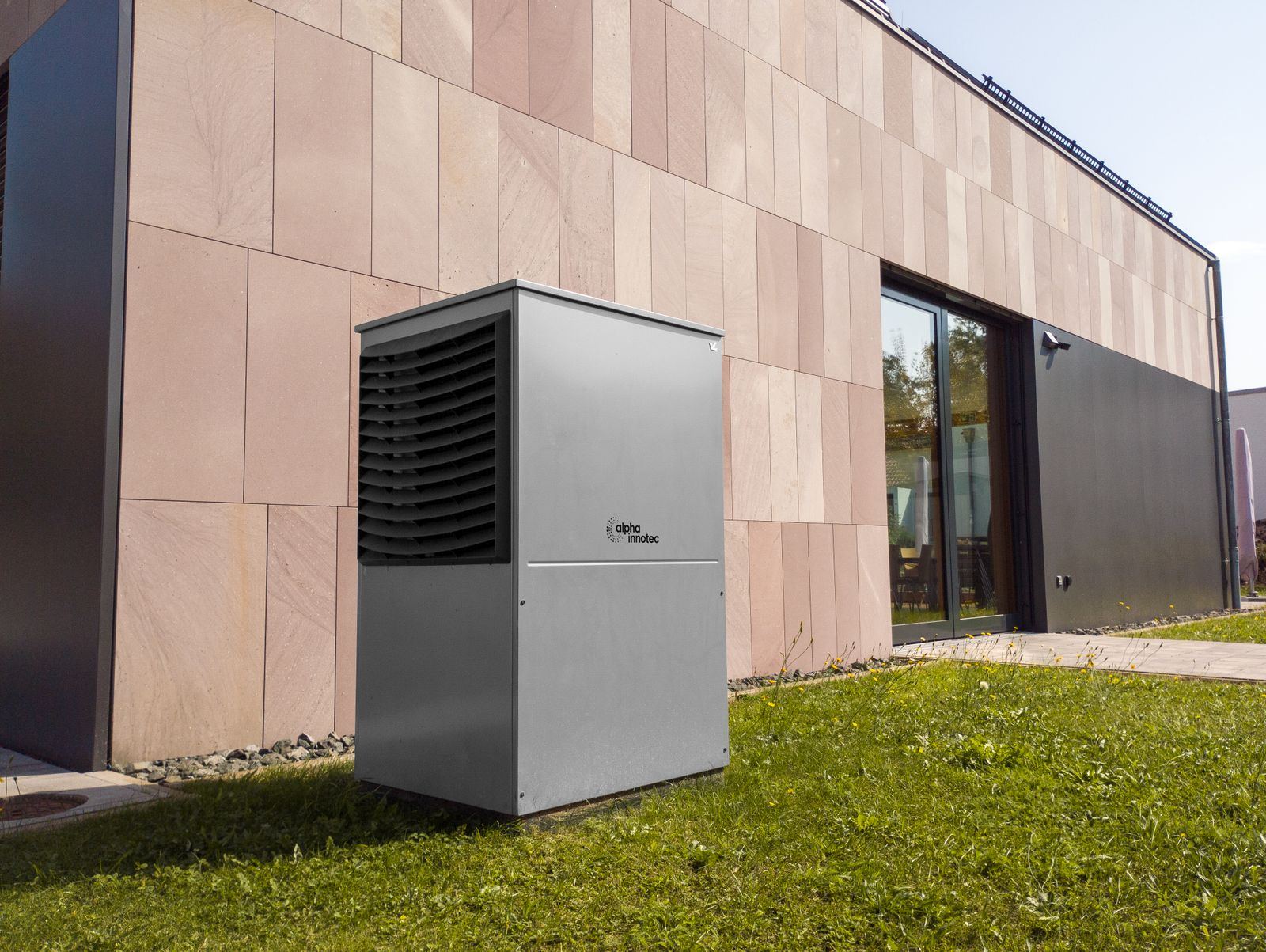
Signs You Need Heat Pump Water Heaters in Mansfield
Catching a symptom early is often the difference between a quick part swap and a tank that gives out on the garage floor. Keep an eye out for the following:
- A garage or attic-adjacent room that stays warm most of the year
- A musty lower level where cooler, drier air would be welcome
- An all-electric home, or one heading that direction
- High electric bills in a household that uses a lot of hot water
- An electric tank over ten years old that you would like to swap on your own schedule
- An electrical setup already sized for an electric tank
- A roomy mechanical area rather than a cramped closet
- Curiosity about incentive programs for qualifying water heaters
Early Action Saves Money
Left alone, even minor symptoms like rumbling or temperatures that swing from hot to warm tend to mean the heater is working its way toward a breakdown. Call Mansfield Water Heater at (682) 310-2339 at the first sign of trouble.
Get Heat Pump Water Heaters Handled Today
We'll diagnose the problem and give you a straight answer on the fix.
Call (682) 310-2339 NowFrequently Asked Questions About Heat Pump Water Heaters
What a Trained Technician Brings to the Job
Installing a heat pump water heater is not the same job as swapping a tank. It is a plumbing appliance, an electrical appliance, and a small refrigeration system at once. The plumbing has to include a relief valve line to an approved spot and an expansion tank when the system is closed. The circuit has to match the manufacturer's requirements, which may differ from the tank it replaces. And the room has to supply enough air, or the compressor struggles and the unit quietly leans on its elements. This is the mistake we see most, and it turns an efficient appliance into an expensive standard heater.
Then come the practical hurdles. A hybrid is bulkier than a typical tank and very heavy once filled, so moving and setting it level in a pan takes planning. A gas-to-electric conversion adds a gas line to cap, an unused vent to close off, and a new circuit to run. Condensate has to drain without fail, since an overflowing line can damage floors and walls quietly. And if the sealed refrigerant system ever needs service, that work requires special training and recovery gear. Our team handles each step, set the operating mode for your household, and provide the documentation you may need for rebate or tax credit forms, with no promises about what any program will approve.
What to Expect From Our Team
Good water heater work comes down to a consistent routine, and ours starts with a real diagnosis instead of a guess. Here's what you can expect when you choose Mansfield Water Heater:
Site Survey
We measure the room volume, note how warm or cold it runs through the year, find the nearest drain for condensate, and check the electrical panel for a 240-volt circuit.
Choosing the Unit
Based on household size and peak demand, we recommend a tank capacity and model, often one size larger than your old tank to offset slower heat pump recovery.
Install Day
The old tank is drained and removed, the hybrid is set in a drain pan, and we connect water, power, the relief valve discharge, and a condensate line to a drain or pump.
Controls and Handoff
Before we leave, the unit is running, draining, and set to the right mode, and you know which setting to use when guests arrive.
Tips to Keep Your Water Heater Healthy
Routine maintenance is almost always cheaper and easier than an early replacement. Put these technician-approved steps to work at home:
- Replace the anode rod when it is mostly consumed to extend the tank's life
- Keep chemicals, paint, and lint sources away from the intake air
- Switch to vacation mode before a trip to cut idle energy use
- Keep up with a yearly flush, since hybrids collect sediment like any tank
- Leave clear space around the intake and exhaust instead of stacking storage against them
- Check that condensate is reaching the drain and the pan stays dry
- Check the air filter regularly and wash it whenever dust builds up
Should You DIY or Call a Pro?
Relighting a pilot by following the label is one thing. Diagnosing a gas valve, a burned-out element, a dirty flame sensor, or a tankless error code calls for meters and know-how that a pro brings. Here's how the two approaches stack up:
| Factor | DIY Attempt | Hiring a Pro |
|---|---|---|
| Room Selection | Space never measured | Room sized and assessed for airflow |
| Electrical | Breaker size guessed | Circuit matched to the nameplate |
| Condensate | Line left to drip on the floor | Routed to a drain or pump and tested |
| Tank Capacity | Chosen from the shelf price | Capacity matched to household use |
| Operating Mode | Stuck in electric mode | Mode set to fit your routine |
| Code Items | Local requirements unknown | Code items addressed where required |
Get Heat Pump Water Heaters Help Today
Don't let a failing water heater get worse. Call Mansfield Water Heater now for prompt, professional service.
Call (682) 310-2339 TodayHeat Pump Water Heaters Near Mansfield
We serve Mansfield and its neighboring towns for heat pump water heaters, from quick same-day repairs to planned installs.